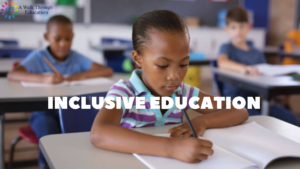
Fostering Inclusivity in the Classroom: A Blue print for a Better Future
Introduction:
In our pursuit of knowledge and academic excellence, it is imperative that we create an environment where every individual feels valued, respected, and included. Inclusivity in the classroom goes beyond the mere presence of diverse students; it involves actively fostering an atmosphere where each student’s unique background, abilities, and perspectives are not only acknowledged but celebrated.
Understanding Inclusivity
Definition and Importance
Inclusivity in the classroom refers to the practice of ensuring that every student, regardless of their race, gender, socioeconomic status, abilities, or background, feels a sense of belonging.
Why is this important, you may ask? Well, studies consistently show that inclusive classrooms enhance learning outcomes, boost student morale, and prepare individuals for a future in which collaboration and understanding are paramount.
The Role of Educators
Educators play a pivotal role in shaping the culture of a classroom. By recognizing and embracing diversity, teachers can create an environment where students feel safe to express themselves, ask questions, and learn from one another.
Practical Strategies for Promoting Inclusivity
1. Cultivate a Culture of Respect:
Establish ground rules that emphasize respect for diverse opinions.
Encourage open dialogue where students feel comfortable expressing their thoughts without fear of judgment.
2. Diverse Curriculum:
Integrate diverse perspectives into lesson plans and curriculum materials.
Highlight contributions from individuals representing various backgrounds, cultures, and historical periods.
3. Inclusive Language:
Be mindful of the language used in the classroom to ensure it is inclusive and avoids stereotypes.
Correct inappropriate language promptly and use it as a teachable moment.
4. Flexibility Teaching Methods:
Recognize that students learn in different ways and at different paces.
Incorporate varied teaching methods to cater to different learning styles.
5. Collaborative Learning Opportunities:
Implement group projects that encourage collaboration among students with diverse strengths and abilities.
Foster a sense of teamwork and mutual support within the classroom.
6. Create a Safe Space:
Ensure that the classroom is physically and emotionally safe for all students.
Address incidents of bullying or discrimination promptly and sensitively.
7. Involve Parents and Guardians:
Keep parents informed about classroom activities and initiatives promoting inclusivity.
Encourage parental involvement in creating a supportive learning environment.
8. Professional Development for Educators:
Provide ongoing training for educators on cultural competence and inclusive teaching practices.
Foster a continuous learning environment for teachers to stay abreast of best practices.
Case Studies and Success Stories
1. The Power of Inclusive Education
Share anecdotes and success stories from schools or classrooms that have successfully implemented inclusive practices.
Highlight improvements in academic performance, student engagement, and overall school culture.
2. Student Testimonial
Allow students to share their experiences and perspectives on inclusivity.
Highlight how a sense of belonging has positively impacted their academic journey.
Overcoming Challenges
1. Addressing Resistance:
Acknowledge that implementing inclusivity may face resistance from some quarters.
Provide evidence and testimonials to counter misconceptions and highlight the benefits.
2. Resource Allocation:
Recognize the need for resource allocation to support inclusive initiatives.
Advocate for budget considerations for professional development, diverse curriculum materials, and additional support staff if necessary.
Conclusion
In conclusion, fostering inclusivity in the classroom is not just a noble aspiration but a fundamental necessity for the holistic development of our students. By embracing diversity, nurturing a culture of respect, and implementing practical strategies, we can create learning environments that prepare our students not only for academic success but also for a future where inclusivity is a cornerstone of societal progress.
As educators, administrators, and parents, let us commit ourselves to the noble cause of inclusivity in education. Our classrooms should be a reflection of the rich tapestry of humanity, where every student feels not only accepted but celebrated for the unique contributions they bring to the table.